Healing Hearts PREVENTGet help now

Awareness · Prevention · Connection · Hope

Knowledge Can Save a Life.

Understanding mental health, recognizing warning signs, responding to overdose, and knowing where to find help can make a difference.

You do not have to be a healthcare professional to support someone. Start with awareness. Lead with compassion. Know where to turn.

In immediate danger or experiencing a medical emergency?
Call 911 now

Need emotional or mental-health crisis support?
Call 988 · Text 988 · Visit 988 Lifeline ↗

Choose one place to begin

What do you need right now?

Pick the closest match. You can always come back. Each section begins with the most important action.

Suicide prevention

You Could Be the Reason Someone Reaches Out.

Possible warning signs deserve attention, especially when they are new, increasing, or connected to a painful event or major change. Their absence does not guarantee someone is safe.

Signs to notice

  • Talking about wanting to die, feeling hopeless, or having no reason to live
  • Saying they feel like a burden or trapped
  • Withdrawing from people or activities they usually care about
  • New or major changes in mood or behavior
  • Giving away important belongings or saying goodbye
  • Increased substance use or concerning risk-taking
What can I do?

  1. ASKGently ask if they are thinking about suicide. Asking directly does not put the idea in someone’s head.
  2. LISTENStay calm. Listen without judgment. Take what they say seriously.
  3. CONNECTHelp them call or text 988 or reach a qualified mental-health professional.
  4. STAYFor immediate danger, call 911 and stay with them if it is safe for you to do so.
About self-harm

Self-harm may happen with or without suicidal intent. It always deserves calm, compassionate attention and connection to qualified support.

24/7 · United States

988 Suicide & Crisis Lifeline

Call or text 988 for emotional distress, mental-health crisis, substance-use concerns, or thoughts of suicide.

Visit official 988 website ↗

Overdose prevention

An Overdose Is a Medical Emergency. Every Second Matters.

If you are unsure whether someone is experiencing an opioid overdose, official CDC guidance says to treat it like an overdose. Call 911 and give naloxone if available.

Possible opioid-overdose signs

  • They cannot be awakened
  • Breathing is slow, shallow, irregular, or stopped
  • You hear choking, gurgling, or unusual snoring
  • Lips, skin, or fingernails look blue, gray, or discolored
  • Pupils may be very small

Act now

  1. Call 911. Say the person is unresponsive or not breathing normally.
  2. Give naloxone if available. Follow the product instructions.
  3. Support breathing. Follow dispatcher instructions and your training.
  4. Stay. Place them on their side if breathing normally but unresponsive. Stay until help arrives, if safe.

Naloxone is temporary. Additional doses may be needed. Emergency medical care is still essential.

Naloxone education

Naloxone Can Reverse an Opioid Overdose.

Narcan is one brand of naloxone nasal spray. Naloxone can rapidly block opioid effects and help restore breathing. It does not reverse an overdose caused only by non-opioid substances.

Available as an easy-to-use nasal spray

Not addictive

Can be given when opioid overdose is suspected

Can wear off, so always call 911

How to use nasal spray

Four simple steps

Follow the instructions for the specific product you have.

  1. Remove the device from its packaging.
  2. Place the nozzle into one nostril.
  3. Press the plunger firmly to give the dose.
  4. Continue emergency response. Give another dose when product or dispatcher instructions indicate.

Mental-health stigma

Mental Health Is Health. Compassion Changes Everything.

Stigma includes negative labels, stereotypes, or discrimination. It can make people feel ashamed or afraid to ask for help.

Instead of

“What’s wrong with you?”

Try“How can I support you?”
Instead of

“They’re an addict.”

Try“They’re a person experiencing a substance-use disorder.”

Common myths, clearer facts

Myth: Asking for mental-health help is weakness.
Fact: Seeking support is a constructive step toward well-being.

Myth: Addiction is simply a failure of willpower.
Fact: Substance-use disorders are complex, treatable health conditions.

Myth: Talking about suicide always makes things worse.
Fact: A direct, compassionate conversation can help someone feel heard and connect to support.

Myth: People with mental-health conditions cannot live meaningful lives.
Fact: Many people manage mental-health conditions while maintaining relationships, work, and fulfilling lives.

Find help

Start with the need, not the system.

These links go to official or established national services. Availability, cost, and eligibility can vary.

Emergency medical help

Call 911

Immediate danger, serious injury, stopped or abnormal breathing, or suspected overdose.

Call 911
Treatment finder · Cost varies

FindTreatment.gov

Search for U.S. mental-health and substance-use treatment services.

Search official finder ↗
Community services · Usually free to search

211

Find local housing, food, healthcare, and other community services where available.

Visit 211 ↗
Need help choosing?

Healing Hearts navigation

Tell us the general kind of support you need. Do not use this form for emergencies.

Request navigation support →

Recursos en español

Información oficial en español

We are linking to professionally produced official Spanish-language resources while a full Spanish PREVENT page undergoes professional review.

Línea 988 en español ↗Información de los CDC sobre naloxona ↗

Save the essentials

One-page guides for difficult moments.

Download or print a simple guide. These are educational summaries, not professional training or emergency services.

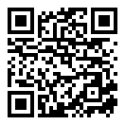
QR code linking to Healing Hearts PREVENT
Share PREVENT in your community

Scan or share healingheartsconnect.com/prevent. The QR code contains only this public web address.

Common questions

Short, clear answers.

What is the difference between Narcan and naloxone?

Naloxone is the medication. Narcan is one brand of naloxone nasal spray.

Can anyone buy or carry naloxone?

FDA-approved naloxone nasal sprays are available over the counter. Access and cost vary by location, pharmacy, insurer, and community program.

Can naloxone hurt someone who is not having an opioid overdose?

Naloxone will not reverse a non-opioid overdose. Official public-health guidance says to give it when opioid overdose is suspected, even when you are unsure, and call 911.

Is naloxone free?

Sometimes. Health departments and community programs may offer it at no cost, while pharmacies may charge. Verify cost and availability directly.

How do I recognize a possible opioid overdose?

Look for unresponsiveness, very slow or stopped breathing, choking or gurgling sounds, discolored lips or nails, or very small pupils.

What should I do if someone talks about suicide?

Listen calmly, ask directly whether they are thinking about suicide, take them seriously, and connect them with 988. Call 911 when there is immediate physical danger.

Can someone recover from a substance-use disorder?

Yes. Substance-use disorders are treatable health conditions, and recovery can look different for each person.

What does mental-health stigma mean?

Stigma includes negative labels, stereotypes, or discrimination that can make people feel ashamed or afraid to seek support.

Where can I find help for myself or someone else?

Use the verified resource cards below. If you are unsure, 211 can help identify local services in many U.S. communities.

Do not use this page as a substitute for professional training or individualized medical advice.

Was this information helpful?Your answer stays in this browser. Do not include personal health information.